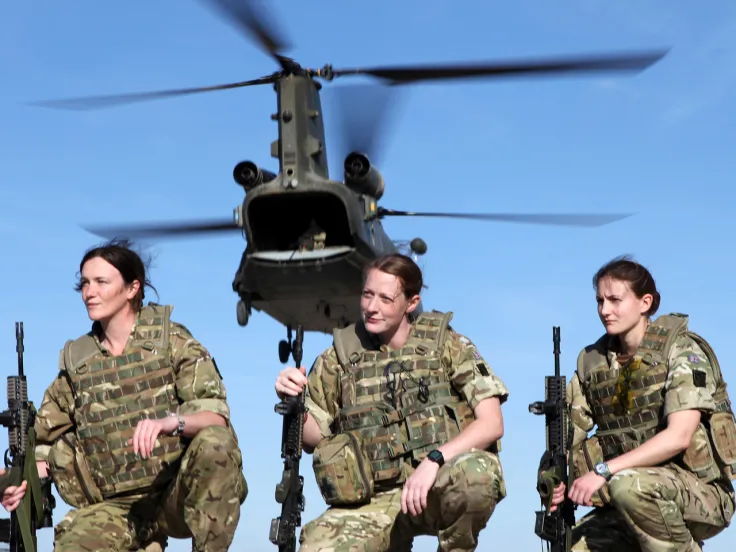
Since 2018, all British Army combat roles have been open to female soldiers. However, the history of women's service in the Army stretches much further back in time.
James Thurlby served during the Second World War and turned his talents as a journalist to describing his experiences as a soldier. His writings provide a visceral account of combat and a profound insight into the horrors of war.
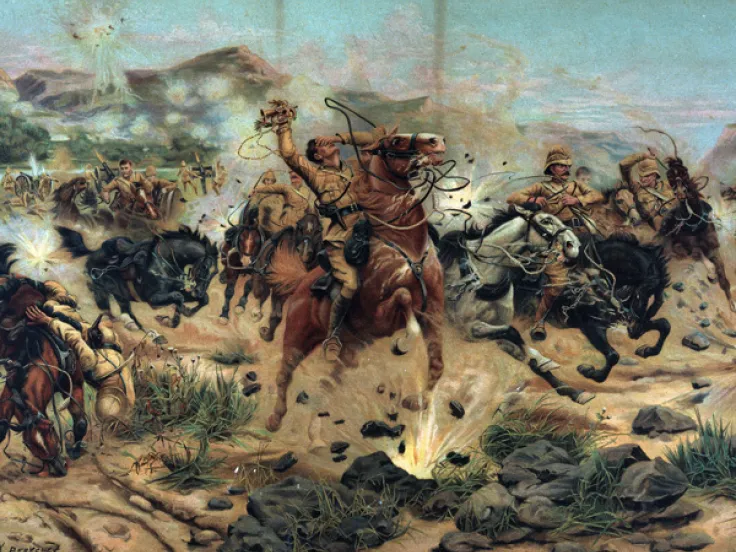
Between 1899 and 1902, the British Army fought a bitter colonial war against the Boers in South Africa. After initial setbacks and a long period of guerrilla warfare, the British eventually prevailed, but not without adopting controversial tactics.
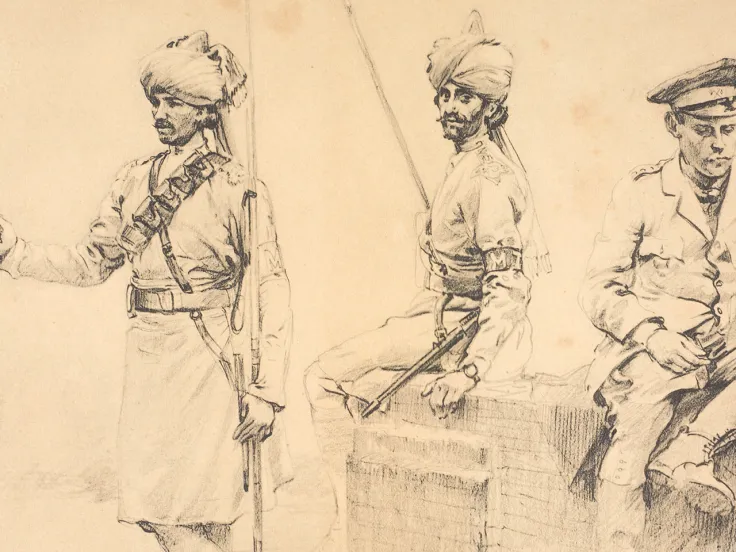
Join us for a one-day special conference exploring the experiences of soldiers and officers of the Indian Army before, during and after the First World War.
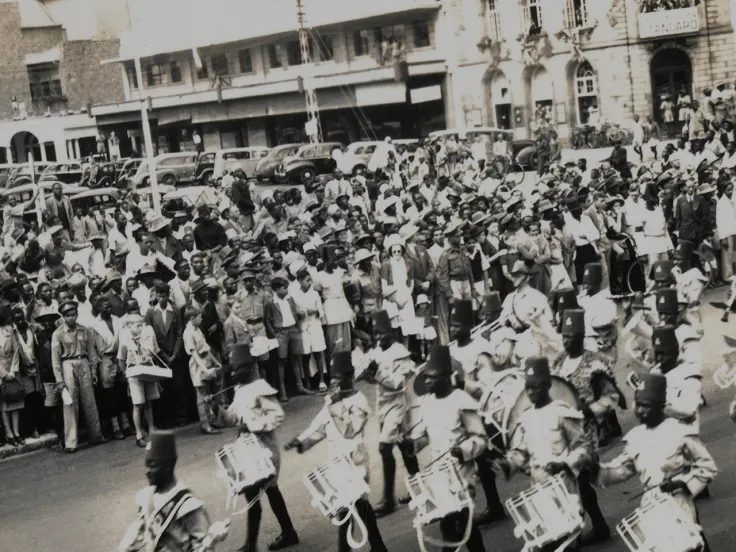
In May 1945, the Allies celebrated Victory in Europe. While the war in Japan was still to be won, attention also turned to the challenges of the peace, not least the return home of millions of soldiers.
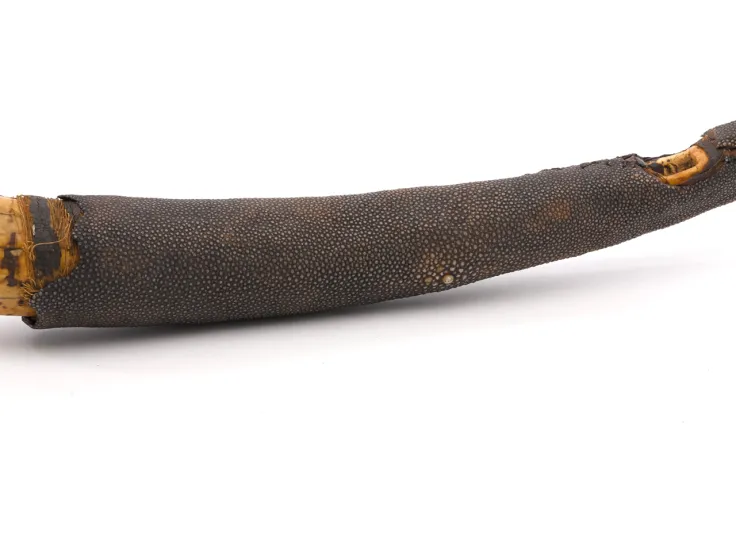
In the 19th century, it was customary for soldiers to claim war trophies as a token of victory after defeating their enemies in battle. But, unlike most trophies, this Ashanti war horn serves as a reminder of defeat.
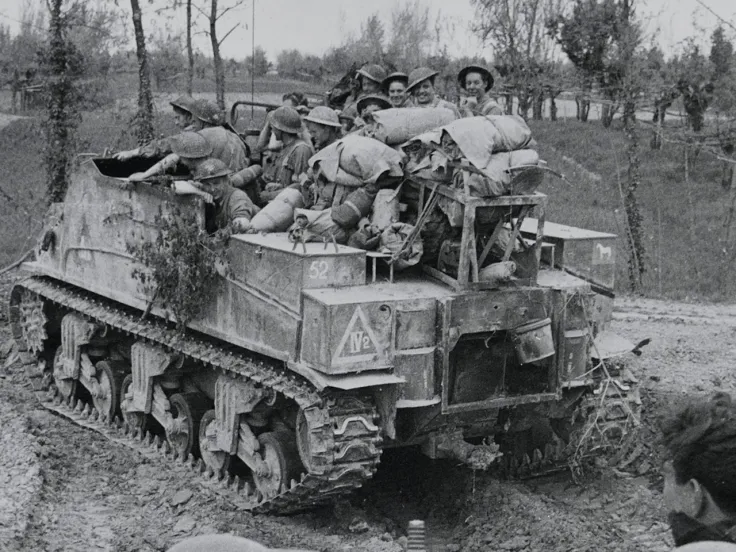
In April 1945, British and Allied forces advanced through Germany and uncovered disturbing evidence of the Holocaust. Meanwhile, the Spring Offensive in the Mediterranean brought about the liberation of northern Italy.
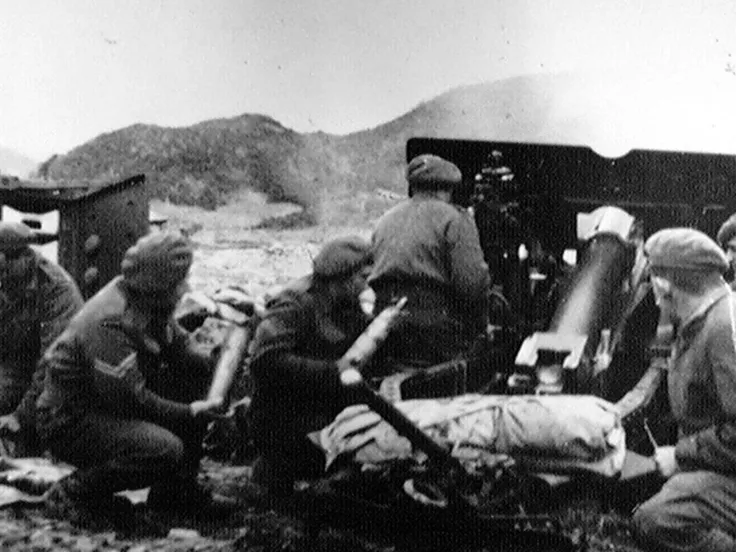
Fought in April 1951 during the Korean War, the Battle of the Imjin was the bloodiest engagement endured by the British Army since the Second World War.
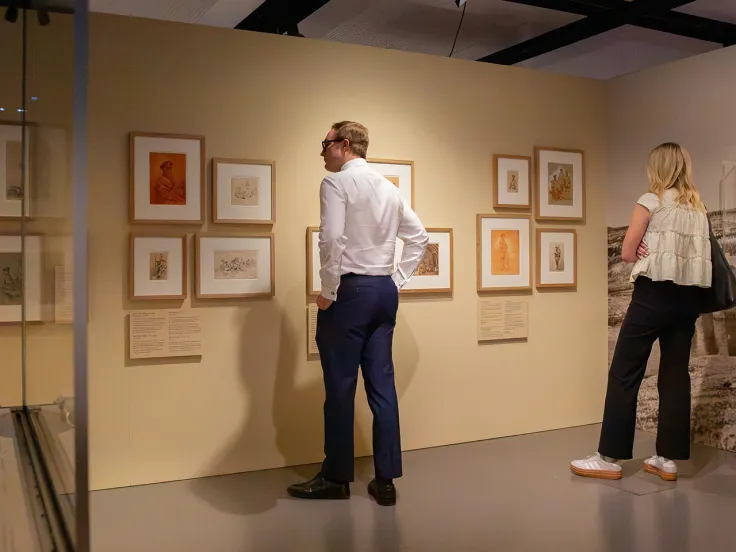
30 June 2026: Generously supported by Lord Ashcroft KCMG PC, the National Army Museum is staging the first ever UK exhibition dedicated to Paul Sarrut, a French artist who depicted Indian soldiers during the First World War.