Explore

Delve deeper into stories of the Army and its soldiers, exploring events across the globe and down the centuries.

Explore by theme
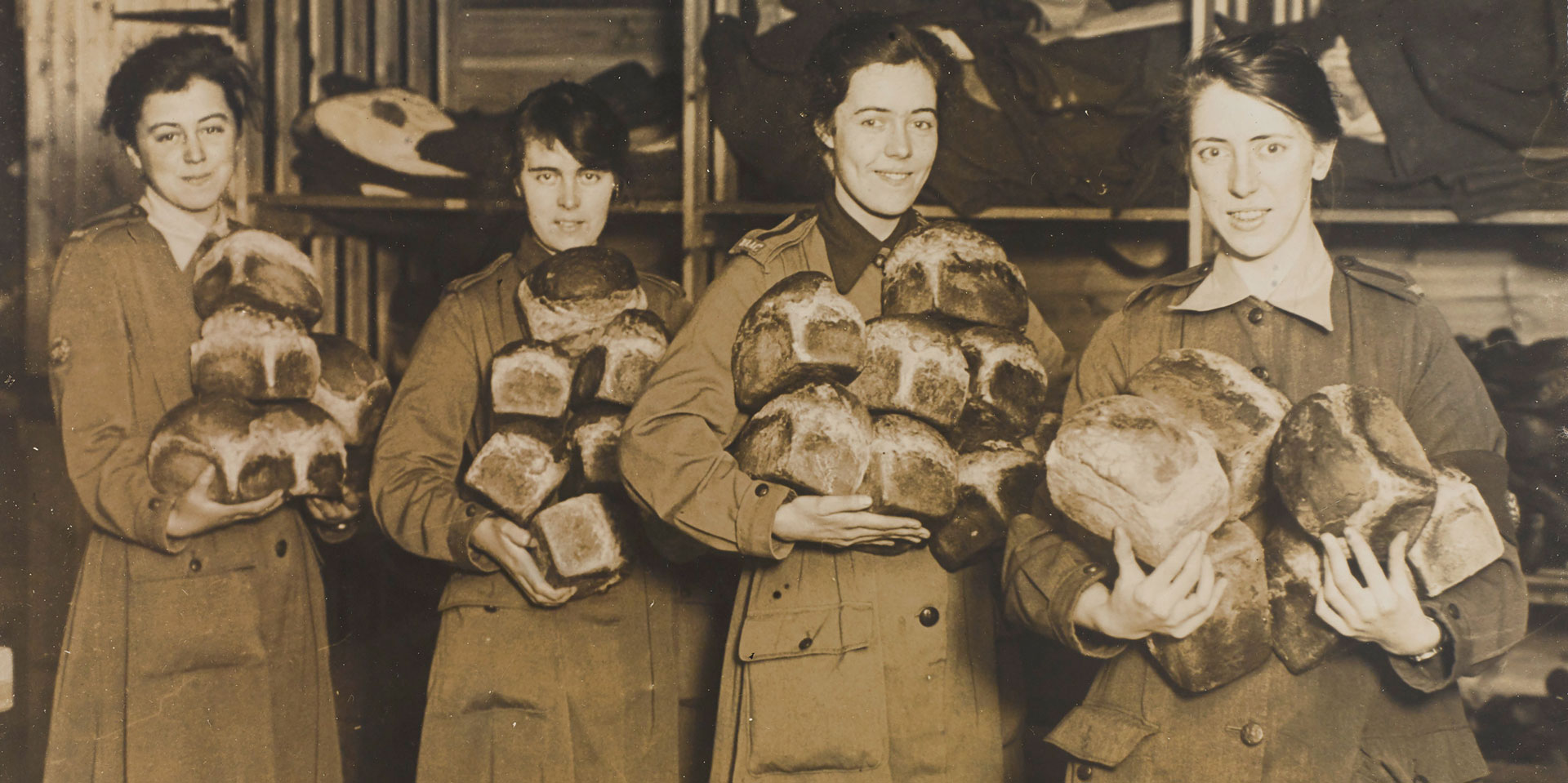
Queen Mary's Army Auxiliary Corps personnel with bread for the troops, 1918

An army marches on its stomach

To be effective, an army relies on good and plentiful food, especially on campaign. British Army food has evolved through the ages, ranging from bully beef and biscuits to veggie curries.

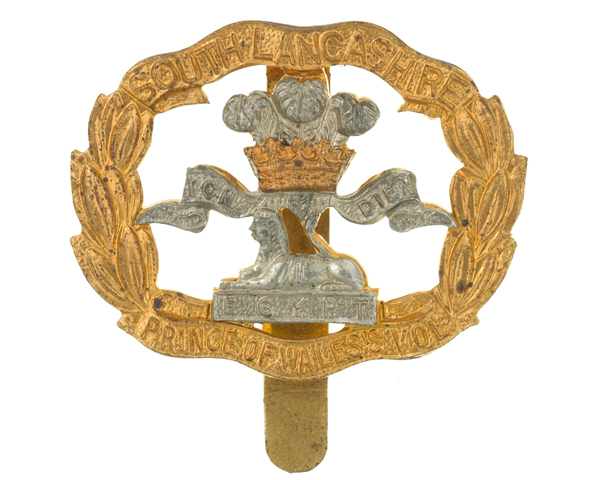
Beret badge, The South Lancashire Regiment, c1950

The South Lancashire Regiment (The Prince of Wales’s Volunteers)

This infantry regiment was formed in 1881. It continued in British Army service until 1958, when it was merged into The Lancashire Regiment (Prince of Wales's Volunteers).

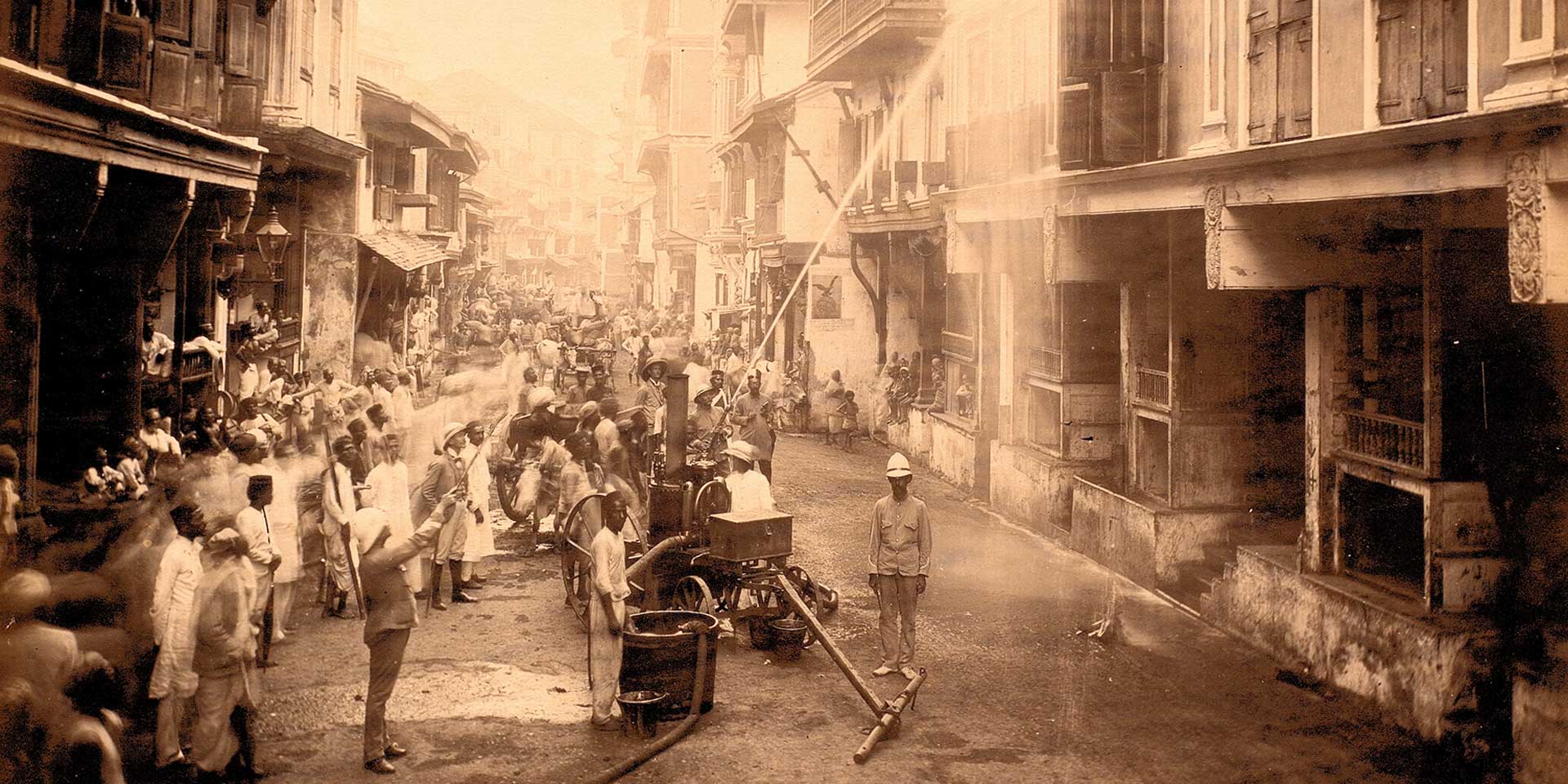
Disinfecting plague houses with a flushing engine, 1897

The Bombay plague

In 1896, bubonic plague broke out in Bombay. The fightback against this deadly epidemic was fully documented by a British military officer in a remarkable series of photographs.

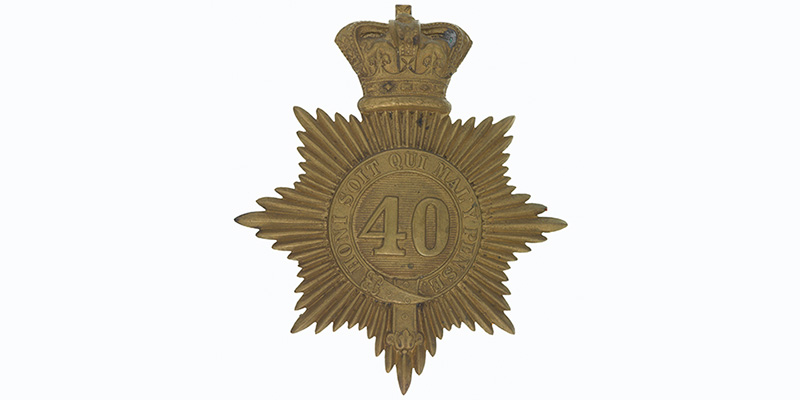
Shako plate, 40th (2nd Somersetshire) Regiment, c1855

40th (2nd Somersetshire) Regiment of Foot

This infantry unit was formed in 1717. It continued in service until the 1881 British Army reforms, when it became part of The Prince of Wales’s Volunteers (South Lancashire Regiment).

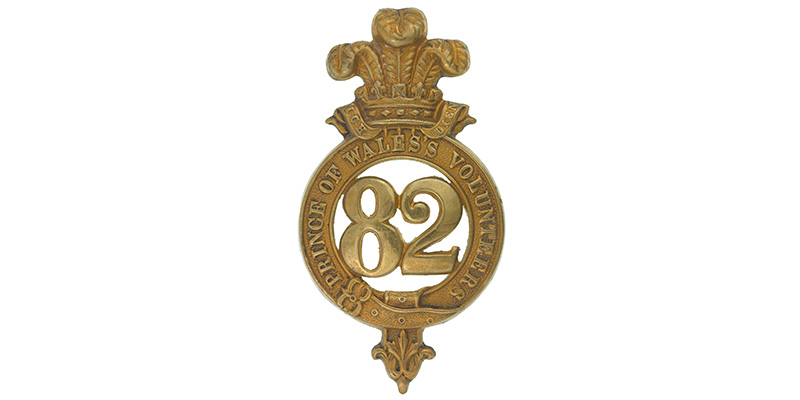
Glengarry badge, 82nd Regiment of Foot (Prince of Wales's Volunteers), c1874

82nd Regiment of Foot (Prince of Wales’s Volunteers)

This infantry unit was raised in 1793. It continued in British Army service until the 1881 reforms, when it became part of The Prince of Wales’s Volunteers (South Lancashire Regiment).

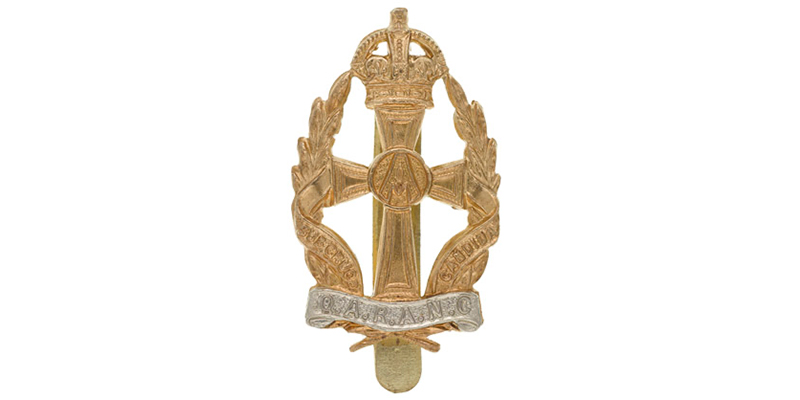
Cap badge, other ranks, Queen Alexandra's Royal Army Nursing Corps, c1950

Queen Alexandra’s Royal Army Nursing Corps

This medical unit provided nursing services to British Army personnel across the world. Although formed in 1902, its origins dated back to Florence Nightingale's pioneering nursing work during the Crimean War. In 2024, it merged with two other corps to form the Royal Army Medical Service.

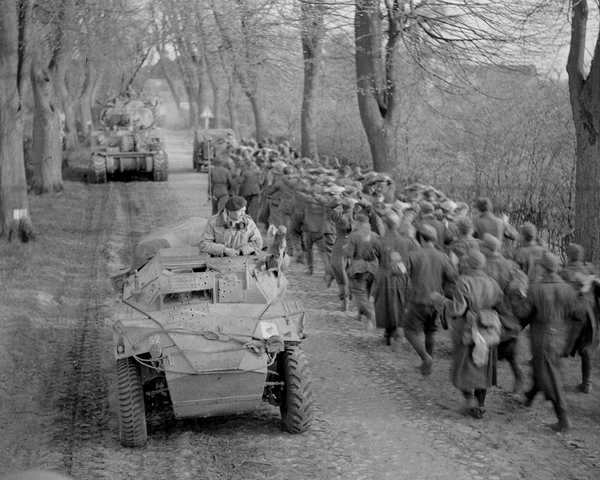
Passing German prisoners of war when moving up to the Aller, Germany, April 1945

Countdown to victory

In the spring of 1945, Allied armies began their final advance into the heart of Nazi Germany. After weeks of intense fighting, they secured victory, ending the most destructive war in Europe's history.

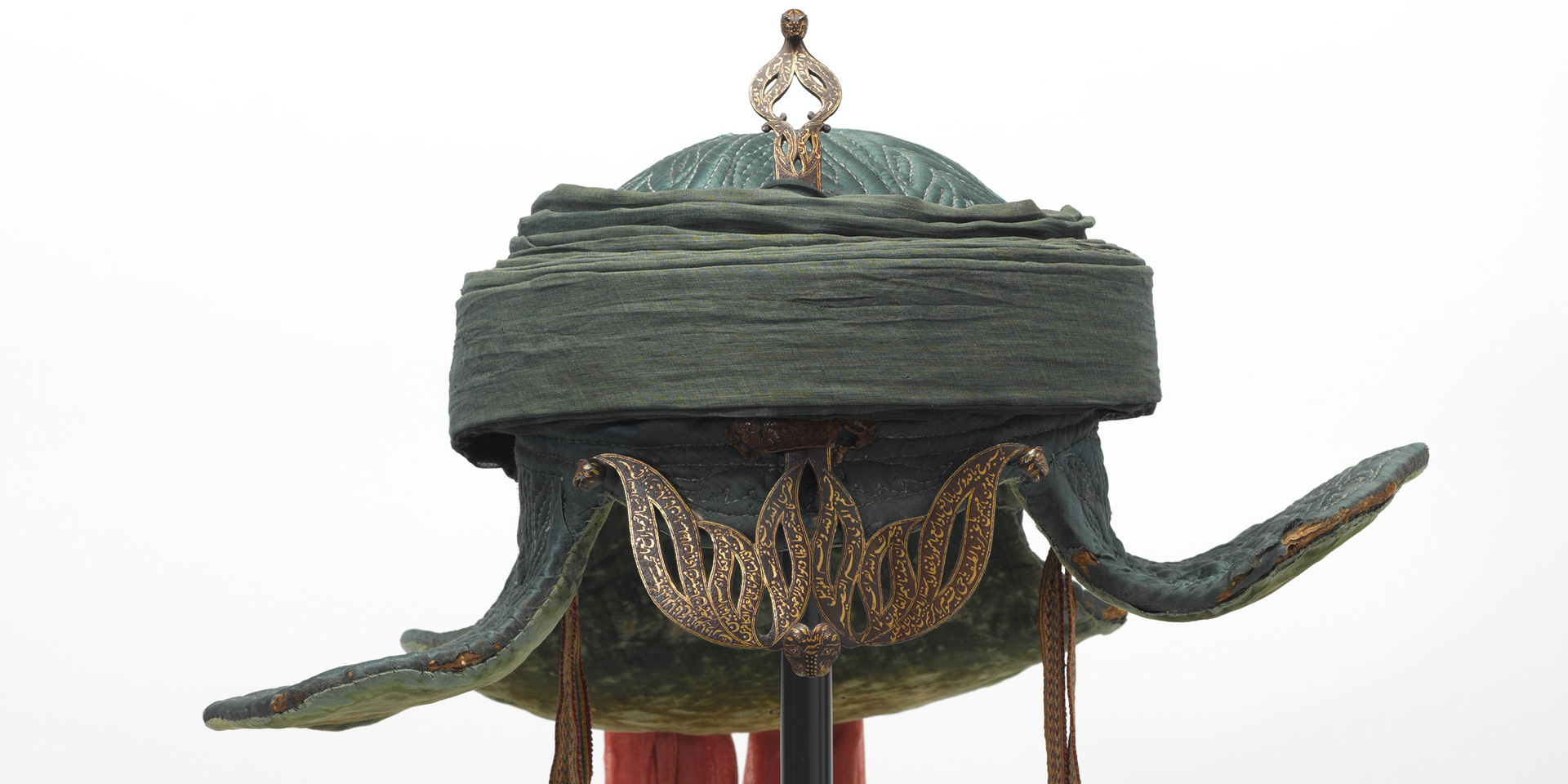
Tipu Sultan's war turban taken during the capture of Seringapatam in 1799

Tipu Sultan’s war turban

A rare helmet belonging to one of India's greatest warrior princes sheds light on the relatively unknown Mysore Wars, a series of conflicts in the late 18th century that helped decide the political future of southern India.

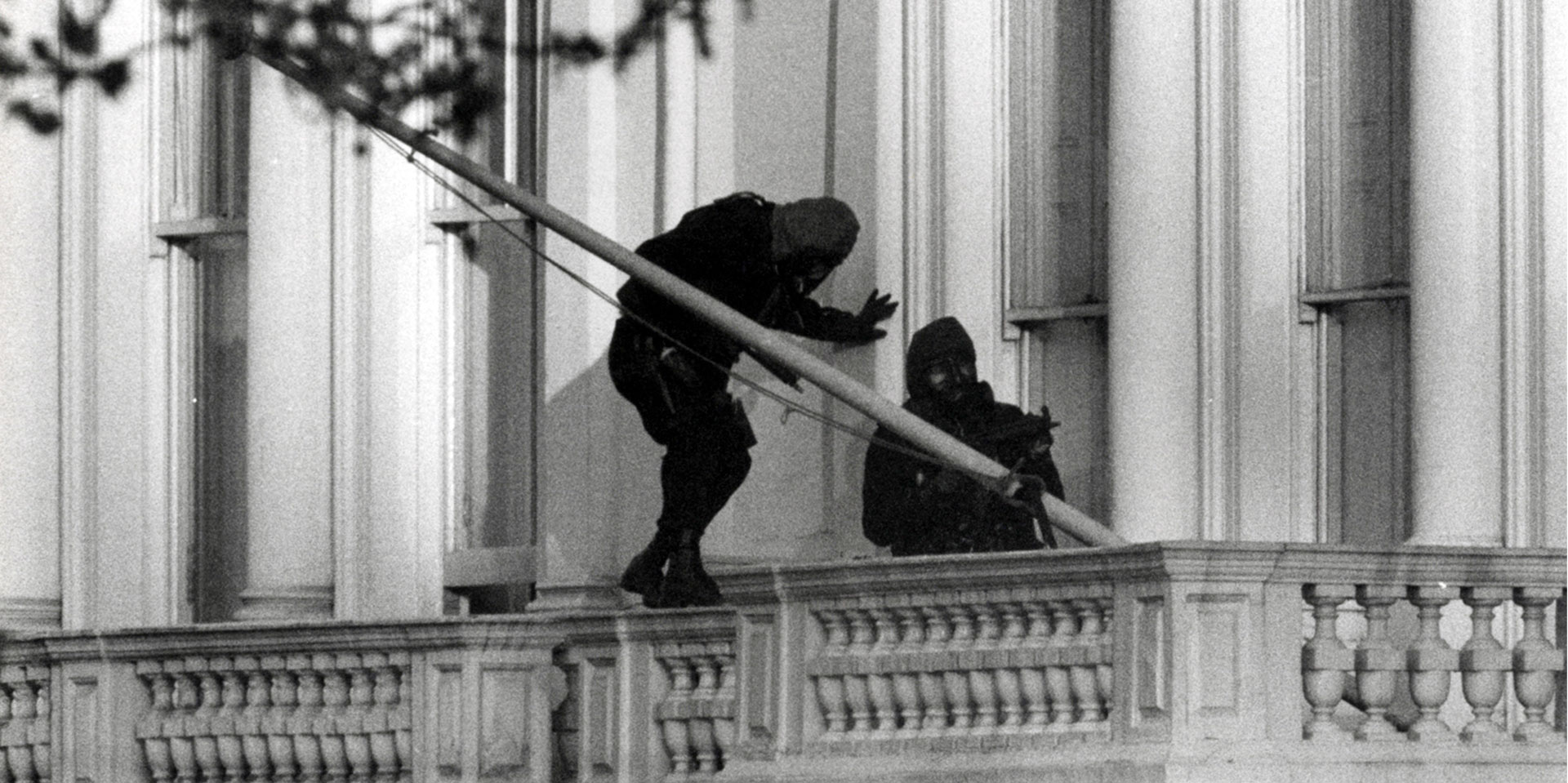
SAS troops storming the Iranian Embassy, 1980

Iranian Embassy siege

One of the most famous counter-terrorism operations in history took place in 1980. Gunmen overran the Iranian Embassy in London and took hostages, but the crisis was resolved when the building was stormed by the SAS.

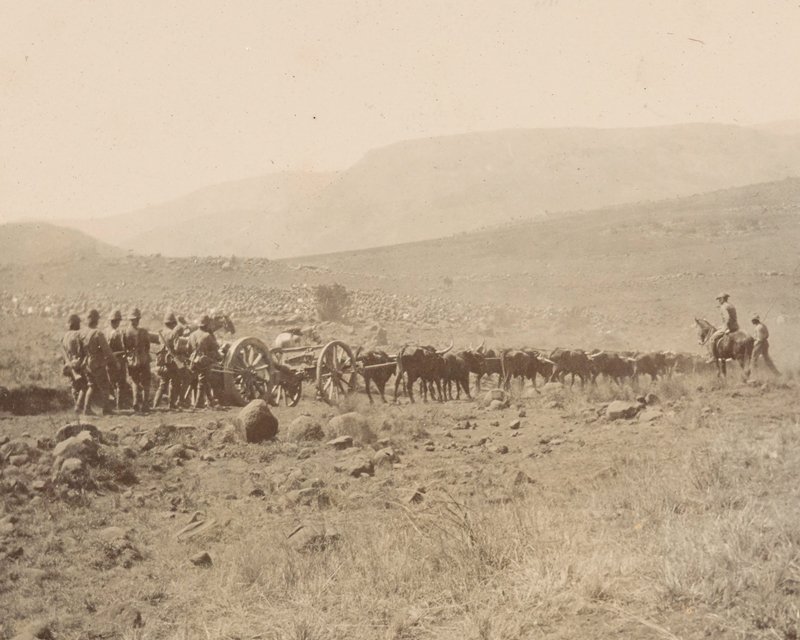
A gun of the Elswick Battery during the advance from Lydenburg to Watervalonder, 1900

Boer War artillery volunteers

A rare Boer War naval gun, one of only three of its type remaining in Britain, sheds light on the largely unknown role of artillery volunteers in the South African war.

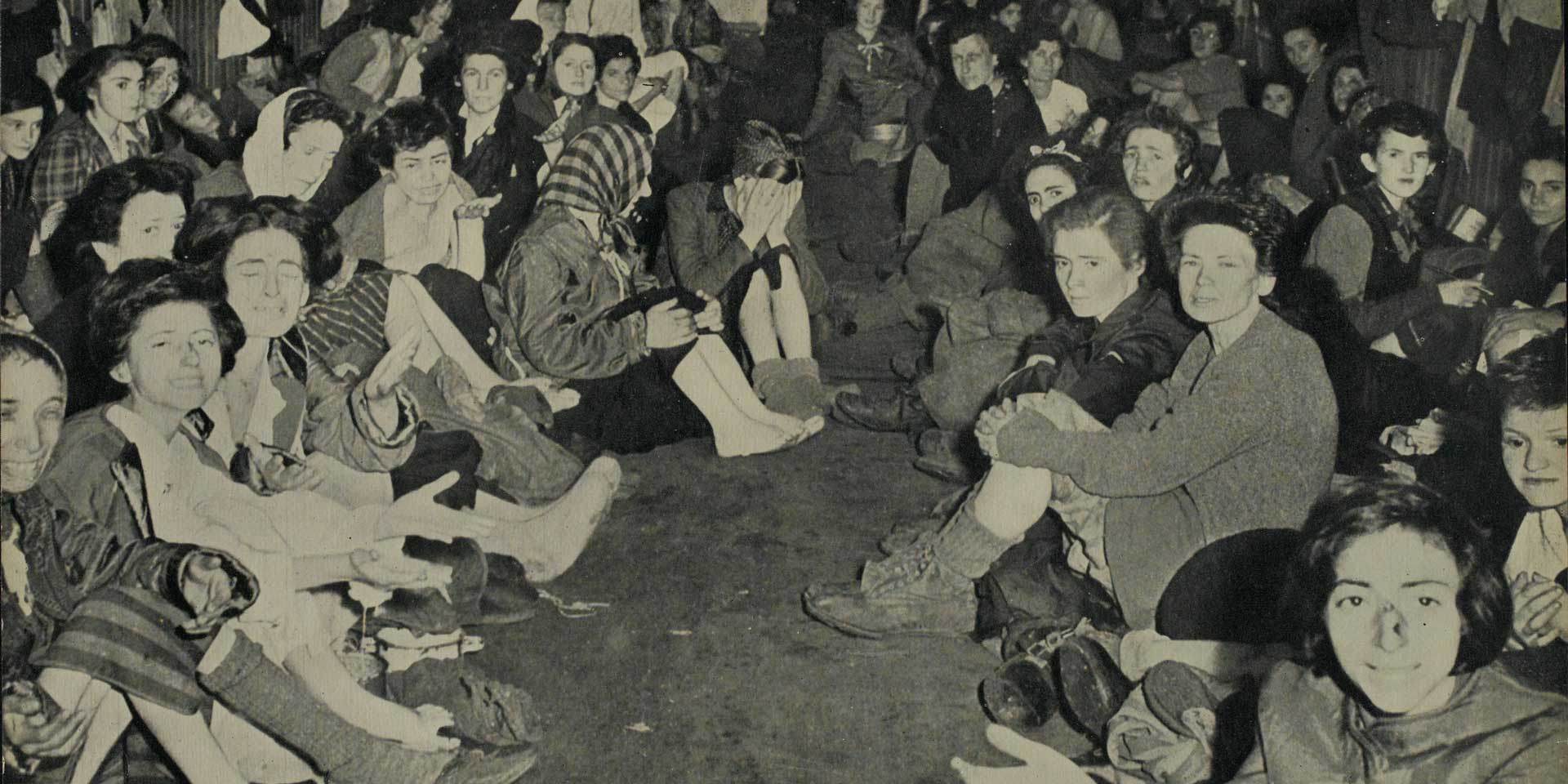
Female prisoners after their liberation, Belsen, April 1945

The liberation of Belsen

As the British Army advanced into the heart of Nazi Germany in the spring of 1945, its soldiers were confronted with the full horrors of the Holocaust at the notorious Bergen-Belsen concentration camp.

HM The Queen opening the National Army Museum at Sandhurst, July 1960

A brief history of the National Army Museum

This video takes you on a whistle-stop tour of the National Army Museum's origins and evolution, from its founding at the Royal Military Academy Sandhurst to its transformation in 21st-century Chelsea.

Stories of remembrance

story

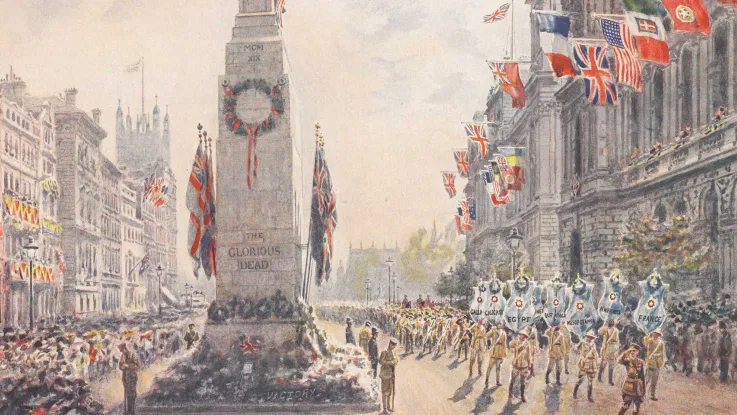
Peace and commemoration

After the Armistice in November 1918, millions of soldiers hoped they would soon go home. But demobilising so many troops was a huge task. How best to mark the Allied victory also became a subject for debate.

Story

Honouring the fallen

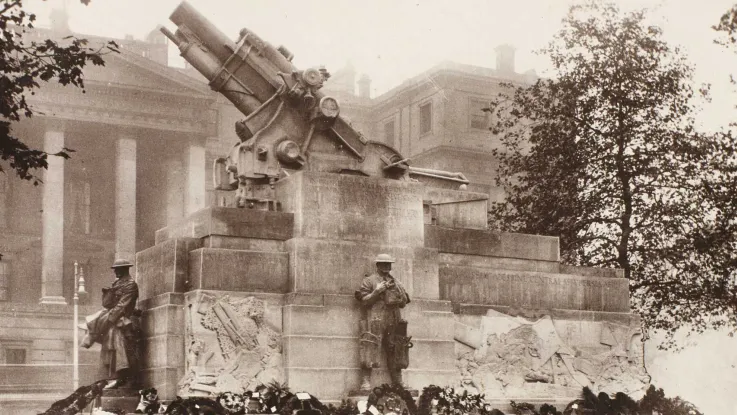
After the First World War, British society had to come to terms with the loss of huge numbers of its service personnel. Across the country, people found ways to commemorate the fallen at a local and national level.

Story

The Unknown Warrior

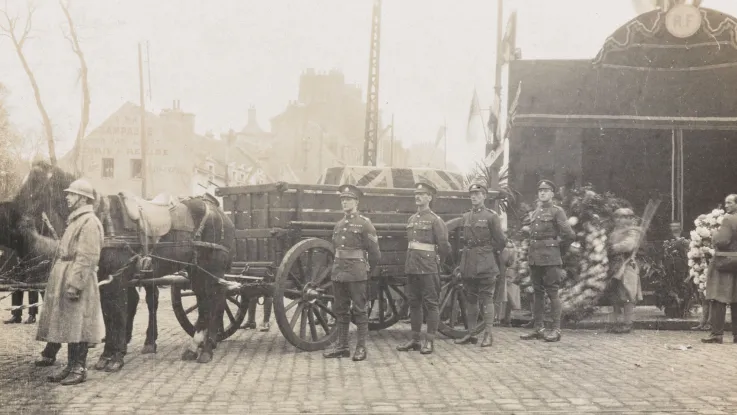
The grave of the Unknown Warrior contains the remains of an unidentified British serviceman, interred in 1920 to honour the fallen of the First World War. The secretive selection process remains shrouded in mystery.